The sorrowful news of Pope Francis’s passing took me by surprise at the Bangkok airport last Monday as I was traveling to India. Though I knew the Pope had been weak, I believed he had passed the most critical stage and was on the path to recovery.
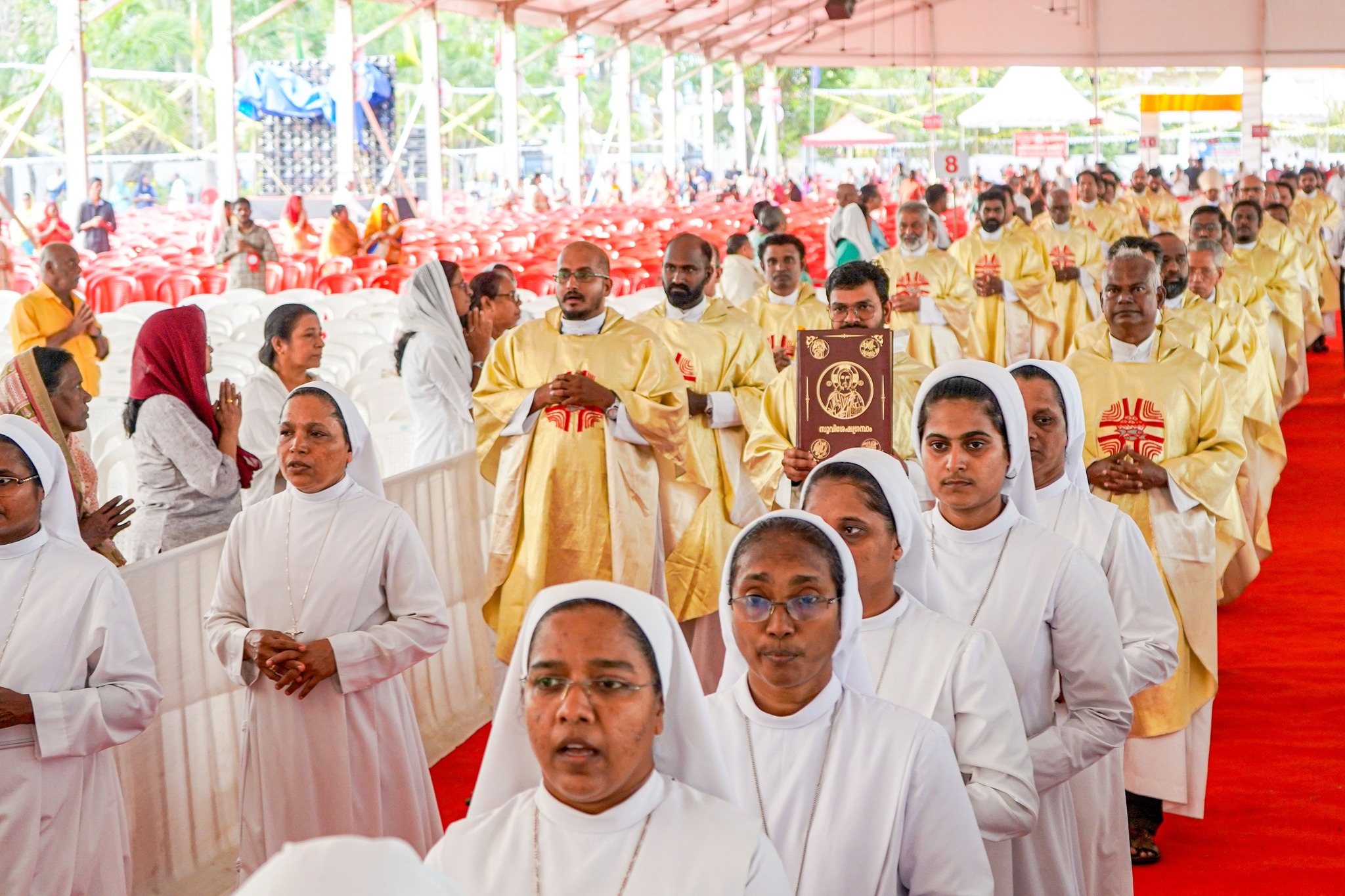

The sorrowful news of Pope Francis’s passing took me by surprise at the Bangkok airport last Monday as I was traveling to India. Though I knew the Pope had been weak, I believed he had passed the most critical stage and was on the path to recovery.
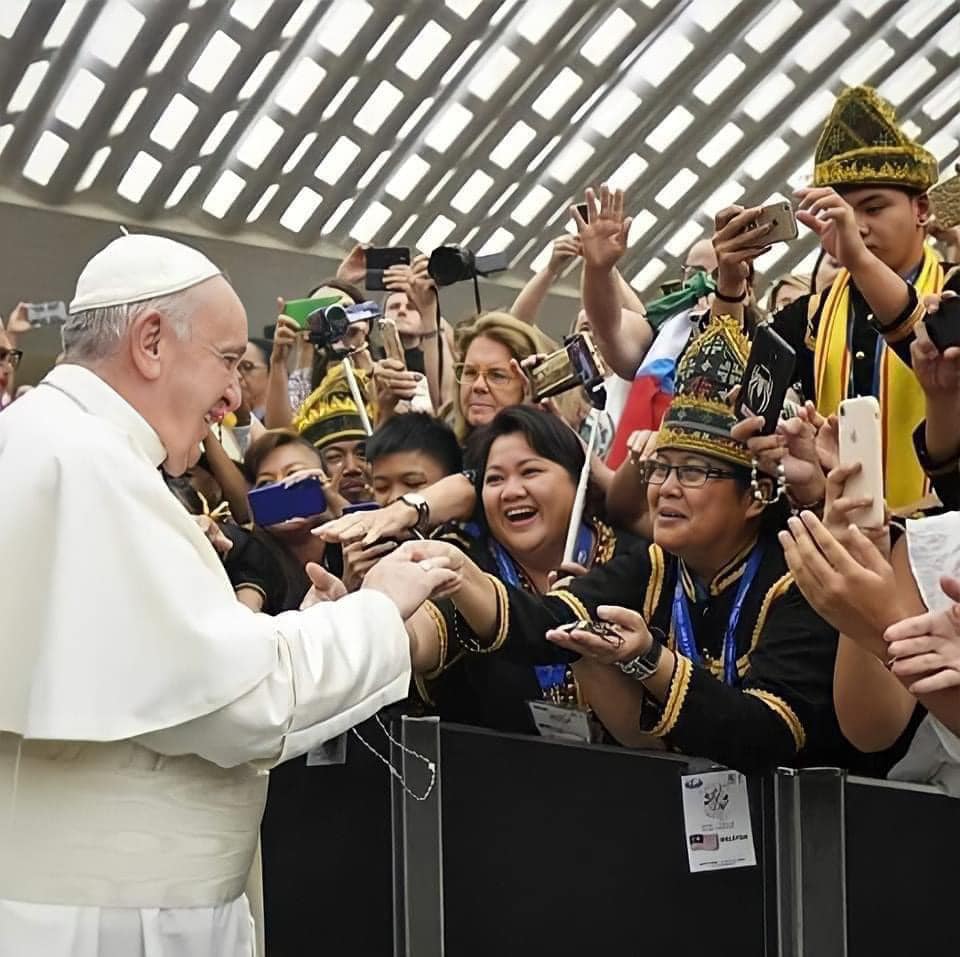
In Malaysia, the Gospel has been attracting more and more young people and adults, who, after reading the sacred texts, seek baptism, thus embracing Christianity. Several official statements from the local Church have informed us that the Catholic community in Malaysia received – during the Easter Vigil of 2025 alone– more than 2,000 new faithful: 1,047 in Peninsular Malaysia and an equivalent number in the Malaysian provinces of Borneo.
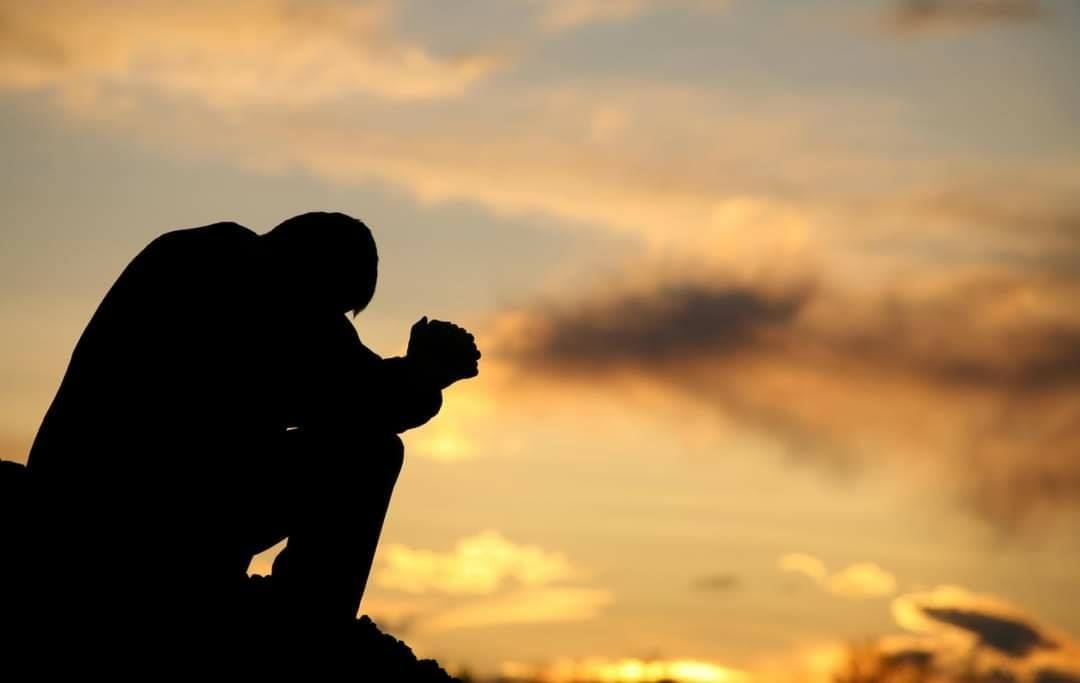
We all generally prefer to see ourselves as smart, generous, kind, patient, and forgiving people most of the time. But the truth is that we aren’t. Life isn’t ideal. We aren’t perfect. We simply cannot be nice and ‘good’ 100% of the time. If we’re honest with ourselves, we actually have some pretty scary and embarrassing flaws that we prefer to avoid at all costs.
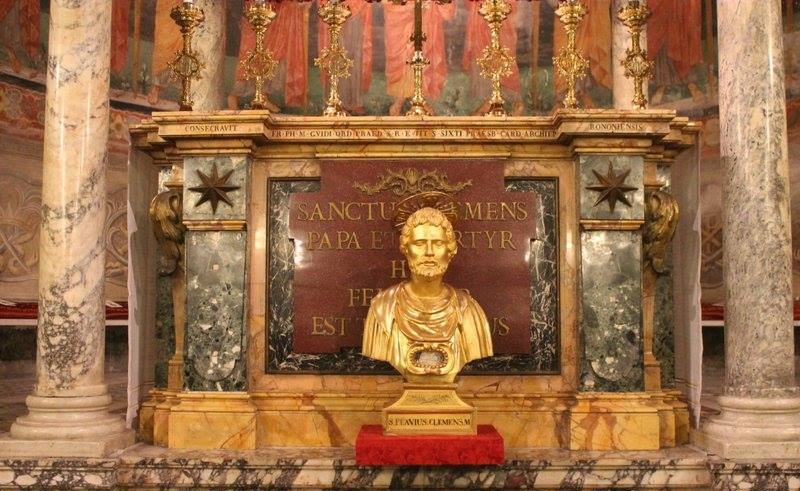
In the Communicantes of the First Eucharistic Prayer (Roman Canon), the names of some popes are mentioned: Linus, Cletus, Clement, Sixtus and Cornelius. Linus, Cletus and Clement are the immediate successors of Saint Peter and were ordained bishops by Peter himself. Some scholars suggest that ‘Sixtus’ refers to Sixtus II (257-258) and Cornelius was pope from 251 to 253.
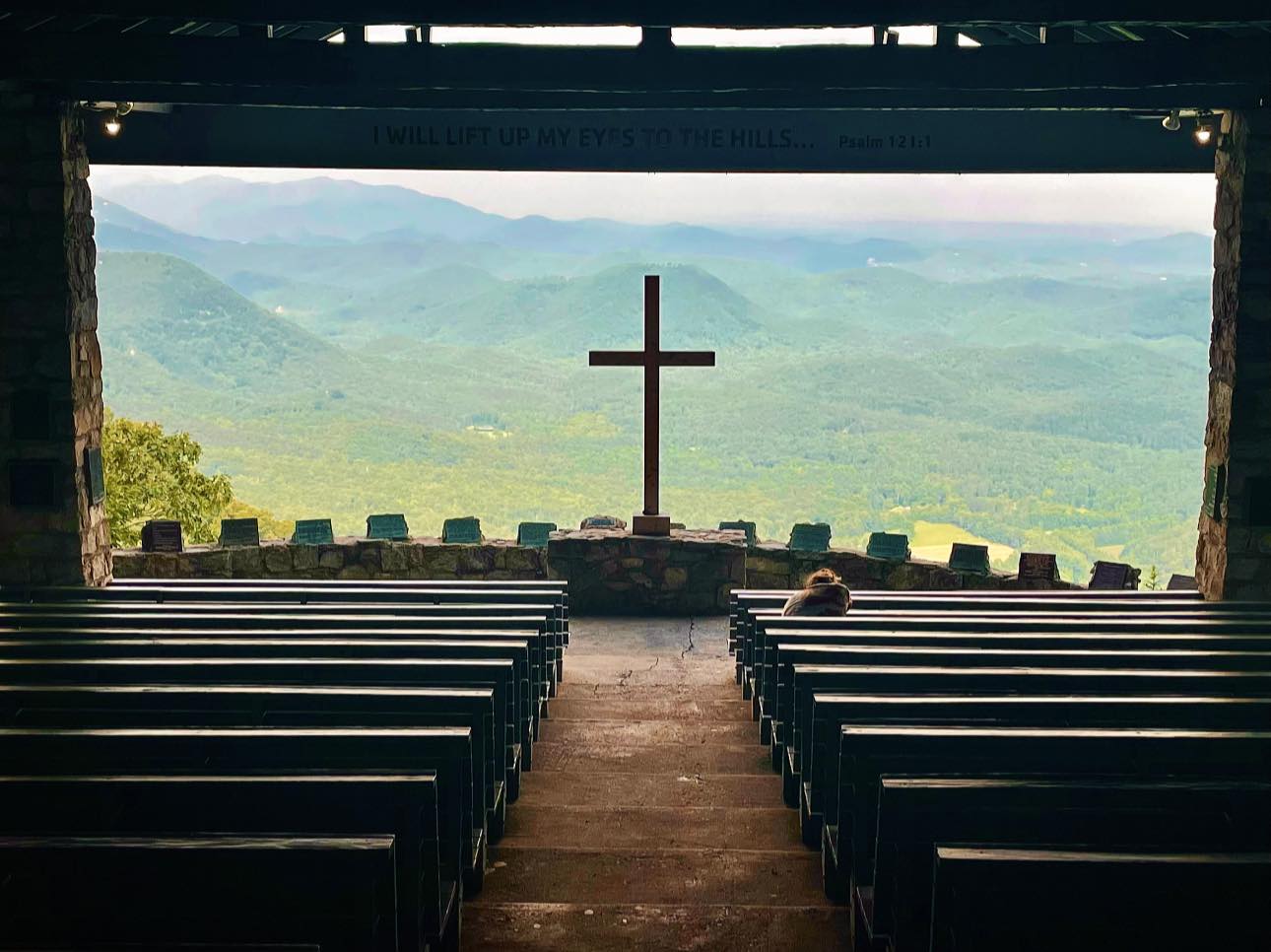
Sin is moral evil, a bad human act, a failure in human self-realization, undue attachment to things and consequent detachment from God. Sins may rule our life and make us like slaves (Rom 3:9; 7:14). Indeed, “Everyone who commits a sin is a slave of sin” (Jn 8:34). Sin, grave sin is bad use of freedom. St. Augustine tells us in his Confessions that when he was in sin – when as a young man lived a loose life – , he had “the freedom of a run-away slave.” Sin is a betrayal of love that disrupts our relationship with God, with ourselves, with others and with nature (Vatican II, GS 13). From the sin of Adam and Eve, sin presents itself as promise, but it is no more than an illusion and a lie (A. Peteiro).
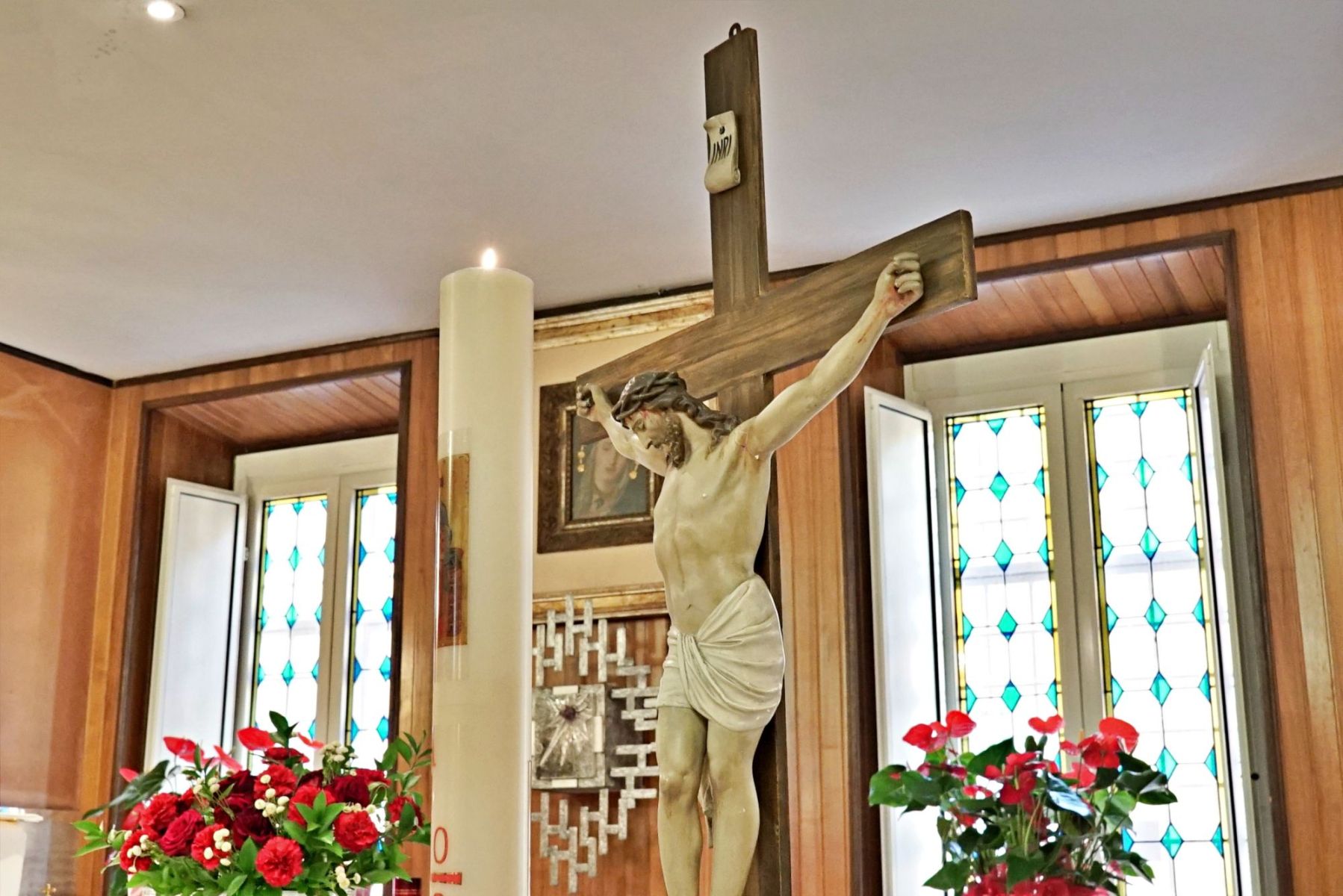
On this Good Friday of the year 2025 – the Jubilee Year of Hope, I invite you to meditate, with Mother Mary, on the Last Word of Jesus, our crucified Lord. We read in the Gospel of St. Luke (Read Lk 23:44-46). It is the 7th and last Word from the cross.What is the meaning of the Last Word of Jesus?
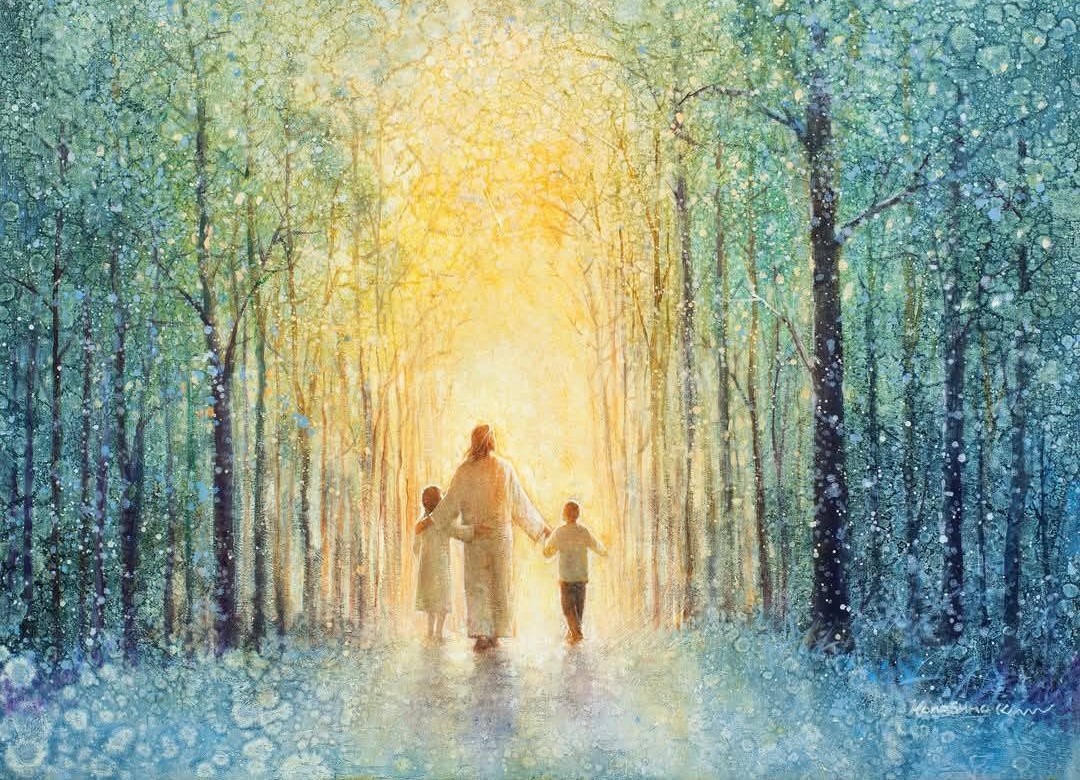
Jewish tradition tells of a rabbi who gathered his students together very early in the morning while it was still dark, and asked them this question: ‘How can you tell when the night has ended, and the day has begun?’ One student answered: ‘Maybe it’s when you see an animal and you can distinguish if it’s a sheep or a dog.’ ‘No,’ the rabbi said. A second student answered: ‘Maybe it’s when you are looking at a tree in the distance and you can tell whether it’s a fig tree or a peach tree.’ ‘No,’ said the rabbi. After a few more guesses the students demanded the answer. The rabbi replied: ‘It’s when you look on the face of any woman or man and see that she is your sister, and he is your brother. If you cannot do this, no matter what time it is, it is still night.’
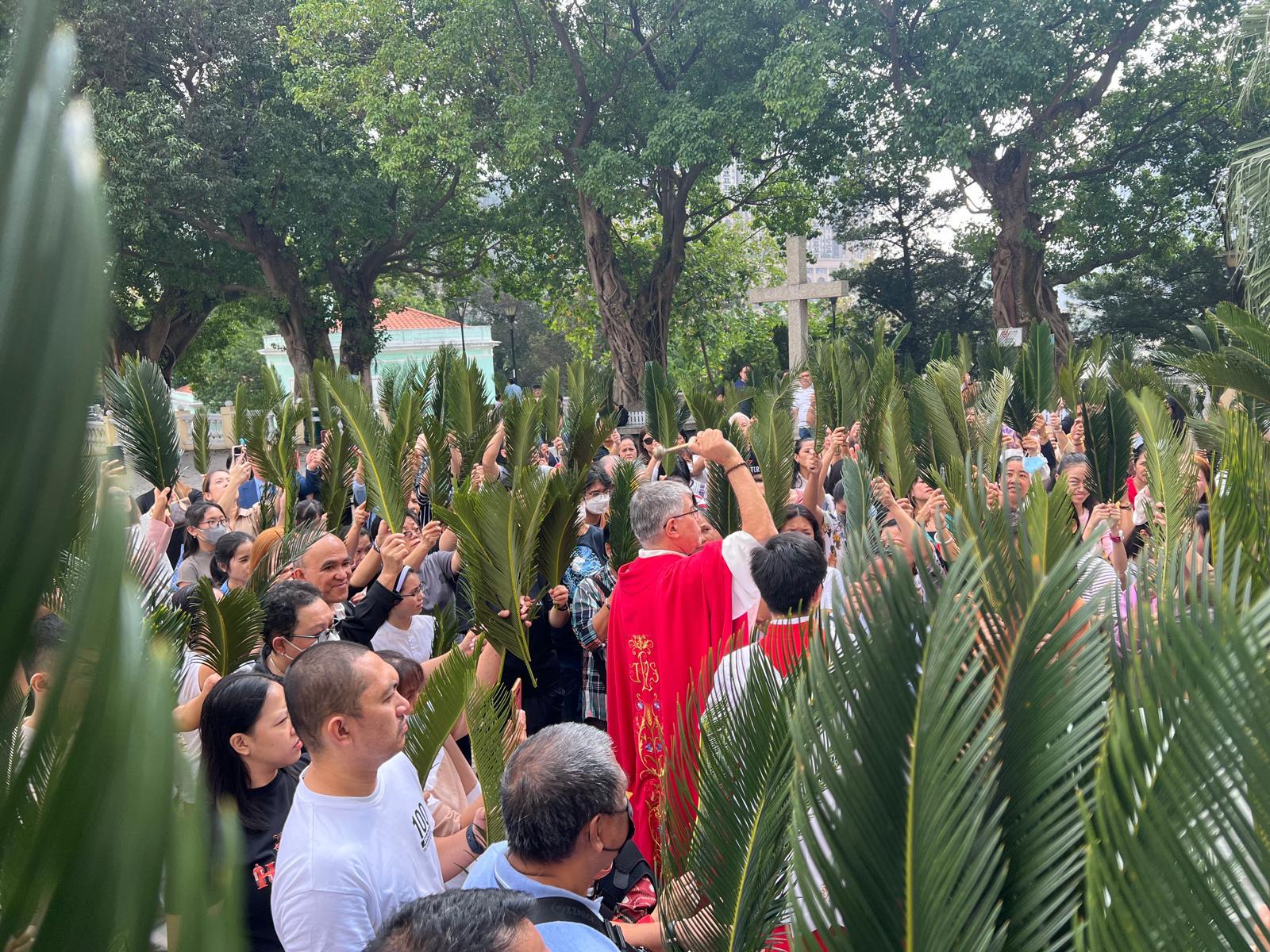
The whole Old Testament—its teachings, figures, and prophecies—finds its plenitude and completion in the person, life, ministry, death, and resurrection of Jesus Christ. He is the Son of God, incarnated by the power of the Holy Spirit in the womb of the Virgin Mary.
Hello Fr L.,
We all generally prefer to see ourselves as smart, generous, kind, patient, and forgiving people most of the time. But the truth is that we aren’t. Life isn’t ideal. We aren’t perfect. We simply cannot be nice and ‘good’ 100% of the time. If we’re honest with ourselves, we actually have some pretty scary and embarrassing flaws that we prefer to avoid at all costs.
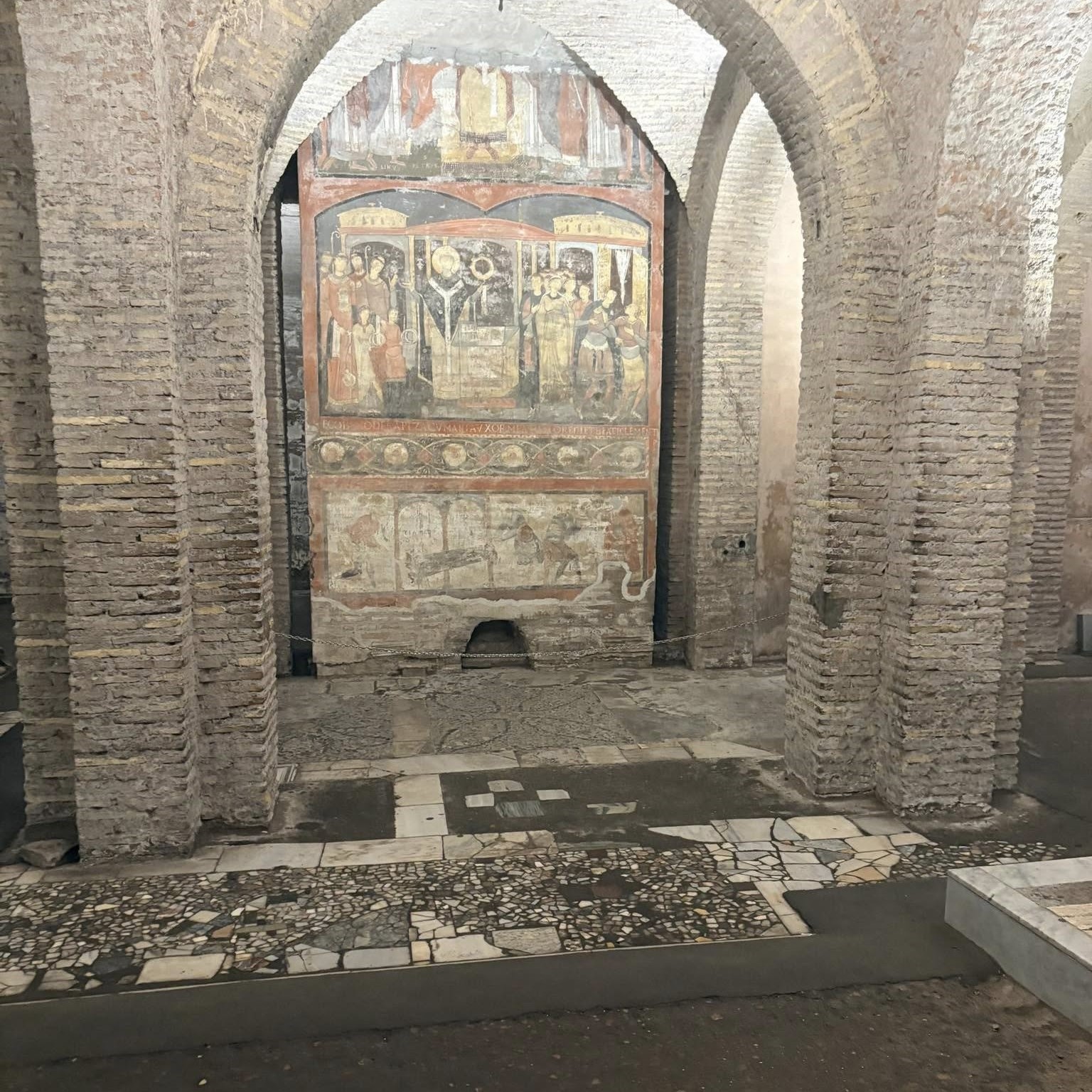
In the Communicantes of the First Eucharistic Prayer (Roman Canon), the names of some popes are mentioned: Linus, Cletus, Clement, Sixtus and Cornelius. Linus, Cletus and Clement are the immediate successors of Saint Peter and were ordained bishops by Peter himself. Some scholars suggest that ‘Sixtus’ refers to Sixtus II (257-258) and Cornelius was pope from 251 to 253.
 Follow