2nd Sunday in Ordinary Time (Year A) – The New Paschal Lamb

Central to the Jewish faith was the Feast of Passover, the commemoration of God’s deliverance of His people from slavery in Egypt (Exodus 12). In Jesus’ time, Passover was one of three major annual feasts during which the Jews made a pilgrimage to the Temple in Jerusalem. Additionally, the Feast of Weeks celebrated the giving of the Law on Mount Sinai and the first fruits of the harvest (Leviticus 23:15-22), and the Feast of Tabernacles recalled the Israelites’ wandering in the desert and celebrated God’s providence (Leviticus 23:33-43).
OPEN YOUR BIBLE Habakkuk: Faithfulness to the Lord of History

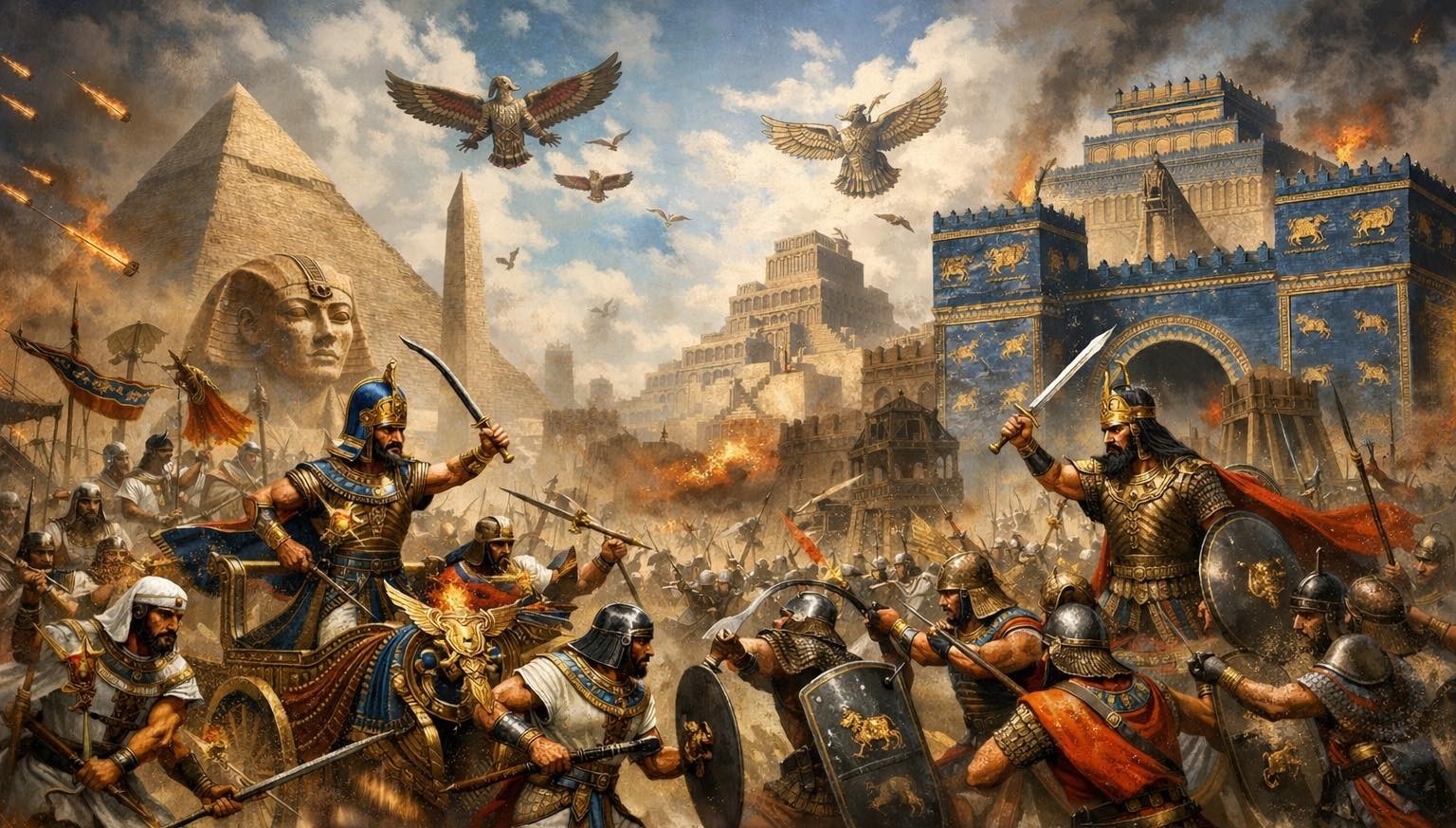
The reference to the Chaldeans in Habakkuk 1:6 situates the prophet within a precise historical moment. The “Chaldeans” are the Babylonians, who rose to power after the decline of Assyria and became the dominant force in the Fertile Crescent. The Neo-Babylonian Empire’s ascendancy was marked by its decisive victory over Pharaoh Necho II at the Battle of Carchemish in 605 B.C. Just four years earlier, in 609 B.C., Necho had defeated and killed King Josiah of Judah at Megiddo. Judah thus found itself caught between two superpowers—Babylon and Egypt—struggling to navigate the strategic pressures of its fragile geopolitical position.Habakkuk’s prophecy is not merely a chronicle of these shifts; it is a profound meditation on divine justice and human faith. Judah’s entanglement between Egypt and Babylon illustrates the vulnerability of nations, while Habakkuk’s dialogue with God reveals the enduring struggle of believers to reconcile divine holiness with historical realities. 

Myanmar Episcopal Conference – Appeals for Peace During Election Period

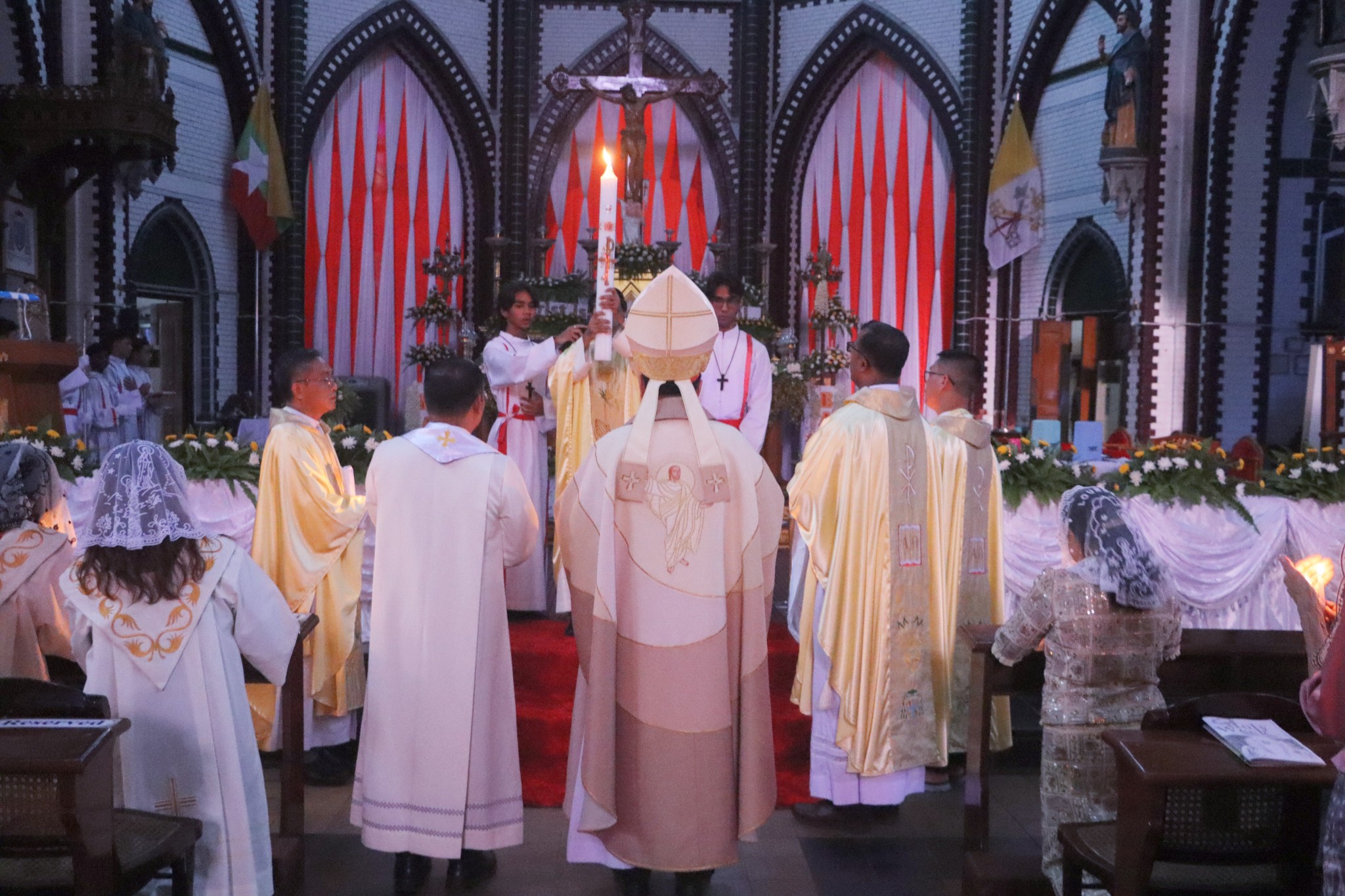
The theme of peace was at the center of the assembly of the Myanmar Episcopal Conference, which recently took place in Yangon and ended with a solemn Mass in the city’s cathedral, presided over by Cardinal Charles Maung Bo, with the closing rite of the Holy Door and the Jubilee Year. All the bishops, priests and religious of Yangon, representatives of other dioceses, numerous nuns, 140 seminarians and thousands of faithful participated in the Mass. Pope Leo XIV’s message for the 59th World Day of Peace, “Peace be with you: towards an ‘unarmed and disarming’ peace,” served as a backdrop for all the contributions presented during the four days of dialogue and assembly of the Burmese bishops.

Between the Kitchen and Cathedra Petri: Prayer and Action in Carmelite Spirituality

During Pope Leo XIV’s flight press conference last week (02 Dec 2025), he mentioned that a journalist had asked him: “Tell me one book, besides St. Augustine, that we could read to understand who Prevost [Pope Leo XIV] is.” The Pope’s answer is “a book called The Practice of the Presence of God,…a very simple book, by someone who doesn’t even give his last name, Brother Lawrence…If you want to know something about me, that has been my spirituality for many years.”  It is interesting to know that this “Brother Lawrence” is, in fact, a Carmelite lay-brother, a retired lame soldier, and a cook working in the monastery kitchen in 17th-century France. It is not my intention here to do a book review (its twenty-odd pages should be easy enough to read). I think it is worth understanding more about Carmelite spirituality, as it has had a strong influence onthe Augustinian Pope’s spirituality.