What is Advent?
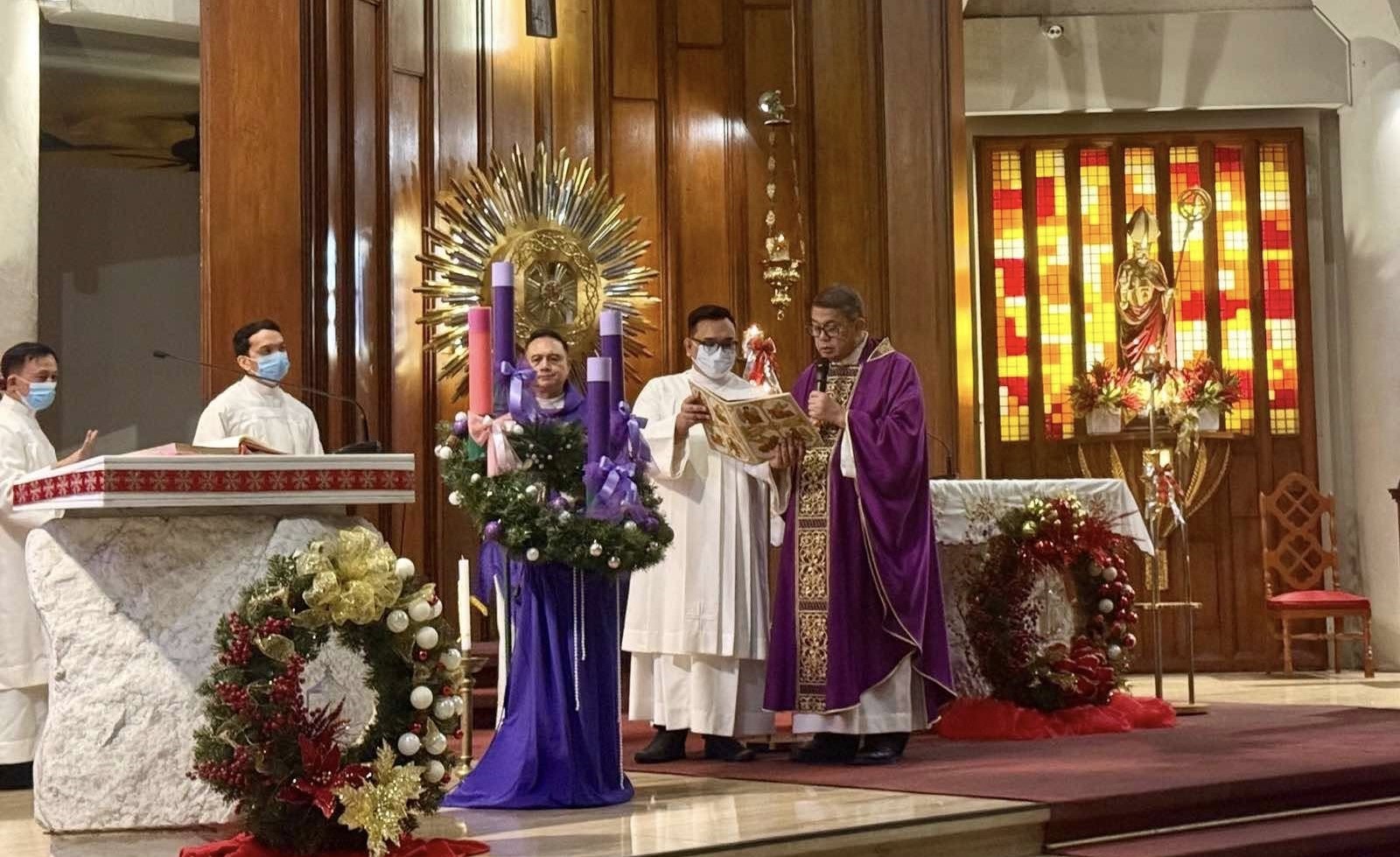
The season of Advent is a time of expectation, when we prepare our home and our hearts to celebrate the birth of Jesus on Christmas Day. The word Advent is derived from the Latin word adventus, which means “coming”. Advent is a season of hope, a time to nurture peace and experience joy in anticipation for the love that is made incarnate with the birth of Jesus. Keep this purpose ever in mind as you make your plans to prepare for Christmas. Everything will make sense or become senseless in relation to this purpose. If baking cookies helps you achieve this purpose, bake away. Sitting quietly on a park bench, taking long walks in quiet places, visiting your church each day, reading, singing, serving others…whatever it is that helps you achieve the purpose of Advent, give yourself to those activities. Wake up each day with this purpose in your heart and on your mind. Purpose has a way of transforming the way we live our lives. Allow the purpose of Advent to transform you.
When Does Advent Begin?
This year, Advent begins on Sunday, November 30, 2025. The first day of Advent marks the beginning of the Catholic Church’s liturgical calendar year.
Is Christmas Day a Holy Day of Obligation in 2025?
Holy Days of Obligation are days Catholics are required to attend Mass and should do their best to avoid unnecessary work. You can attend Mass on the day of, or go to a vigil Mass the night before. Holy Days of Obligation, sometimes humorously referred to as Holy Days of Opportunity, provide chances to deepen our faith and grow in our relationship with God through worship and reflection.
Advent Traditions
God created you to flourish. Are you flourishing this year? As you look to Christmas are you confident that what you have planned is going to help you and those you love to flourish? If not, it is time to adjust the plan. It is time for some fun, healthy, serious, lighthearted, profound, and bold routines, rituals, and traditions. Routines, rituals, and traditions play a powerful role in human flourishing. They can be as silly as Christmas pajamas and profound as Sunday Mass. The season of Advent is a wonderful time to establish or reestablish some routines, rituals, and traditions.
World-Wide Advent Traditions
There are amazing Advent traditions all around the world—maybe you’ll be inspired to bring them into your family’s celebrations, too! Here are just a few examples:
In Germany and Austria, Catholics celebrate St. Barbara’s feast day in a special way. On December 4th a small cherry branch is cut and put into a vase in a warm room. The branch typically blooms right around Christmas—and if the blossoms arrive on December 25, it’s considered good luck! This tradition aligns perfectly with Advent, the season of anticipation for the birth of Jesus. It serves as a symbolic reminder of the hopeful expectation and joyous blooming that accompanies his arrival. A common tradition in Mexico and some other Latin American countries is the celebration of Las Posadas, which means “The Inns.” This is a nine-day event where the community forms a parade procession to symbolize Mary and Joseph’s search for an inn in Bethlehem. The parade is made mostly of children dressed up as different characters like an angel. Each night, participants dressed up as Mary and Joseph travel through the neighborhood or town and ask for lodging. They are denied, but the host provides refreshments! Christmas carols are sung. On the final night Mary and Joseph are welcomed and a feast is held. Children break open pinatas filled with candy and small toys.
In the Philippines, a unique tradition called Simbang Gabi is observed during Advent. It is a series of nine early morning Masses held from December 16th to 24th, often starting at 4AM! These Masses serve as a preparation for Christmas and are often followed by festive meals and gatherings.
If you want to have a powerful Advent experience, followed by an amazing Christmas, begin by deciding what matters most, and then honor, celebrate, prioritize, and bask in those few things.
 Follow